Your Cart is Empty
Shop from the only authorized dealer of M&R Parts on the west coast!
Shop from the only authorized dealer of M&R Parts on the west coast!

Shop from the only authorized dealer of M&R Parts on the west coast!


Laser engraving has been a rapidly growing service across various sectors. It's left the territory of "niche" service and is reaching commodity levels. Having passed over $4 billion in 2024 with the expectations of doubling within a decade, as engraving as a process has become more accessible and more affordable. Manufacturers are prioritizing ease of use, versatility of offerings, and scalability. Manufacturers are finding out their end users are often hobbyists or small business owners, the technology has become easier to use as well.
Modern machines now offer on average of 20-40% faster processing and15-30% in more energy efficient. Technological advancements have made engraving a simpler process that also is outputting a lot more than 10 years ago. With a calculated annual growth rate (CAGR) of 7.8% from now to 2032, it proves to be a rapidly growing industry with much potential. Screen printers are actually very well-positioned to make this move. The landscape has changed from larger factories to smaller manned operations such as print shops, squeezing out more output and revenue. This guide is meant to help you figure out what you're looking at, and where to position yourself when you are ready to take the leap.
With laser engraving, you have the ability to handle both bulk projects and unique novelty items. This opens up profitability from small orders as well as large orders. Being able to provide a highly detailed, memorable items that a client can gift, hang in their office, or personalize for themselves, giving you a wide range of possibilities. From tumblers, to awards, to apparel (something already in your everyday wheelhouse), the precision that lasers provide allows for really nice custom designs with fast turnaround.


Fiber Lasers
CO₂ Lasers
UV Lasers

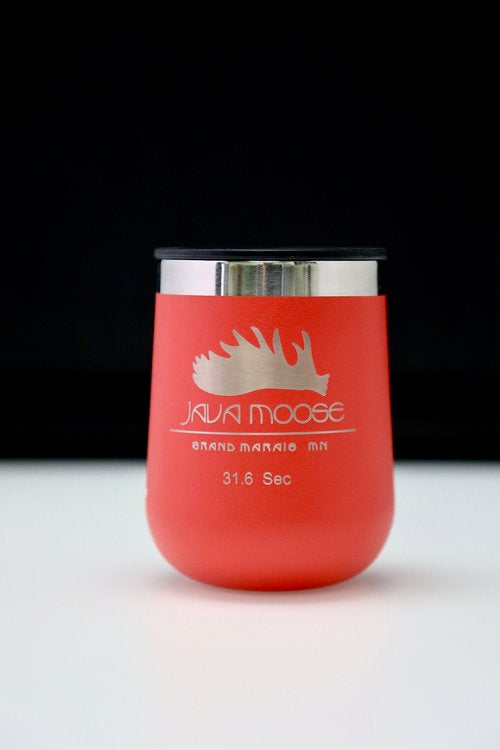
Fiber lasers are the go-to when metal is involved. Where CO₂ and UV lasers work across a range of softer materials, fiber is purpose-built for marking metals — stainless steel, aluminum, brass, and anodized surfaces. For a screen printer, that opens the door to metal badge and tag work, promotional hardware, and high-end corporate pieces that require permanent, precise marking on metal surfaces. It's a narrower application set than the other two types, but within that lane it's the only realistic option. If your clients are asking for engraved metal components alongside their apparel and soft goods orders, fiber is what handles that side of the work.
Metals
Alloys
Aluminum
Stainless Steel
Brass
Ceramic
Fiber lasers are commonly used in applications that require metal. That is their bread and butter, ranging from badges, to dog tags, keychains, drinkware & more. If your clients are already ordering branded apparel, chances are that there is a great opportunity to create more items for their brand that are permanent and carry longer term sentimental value.

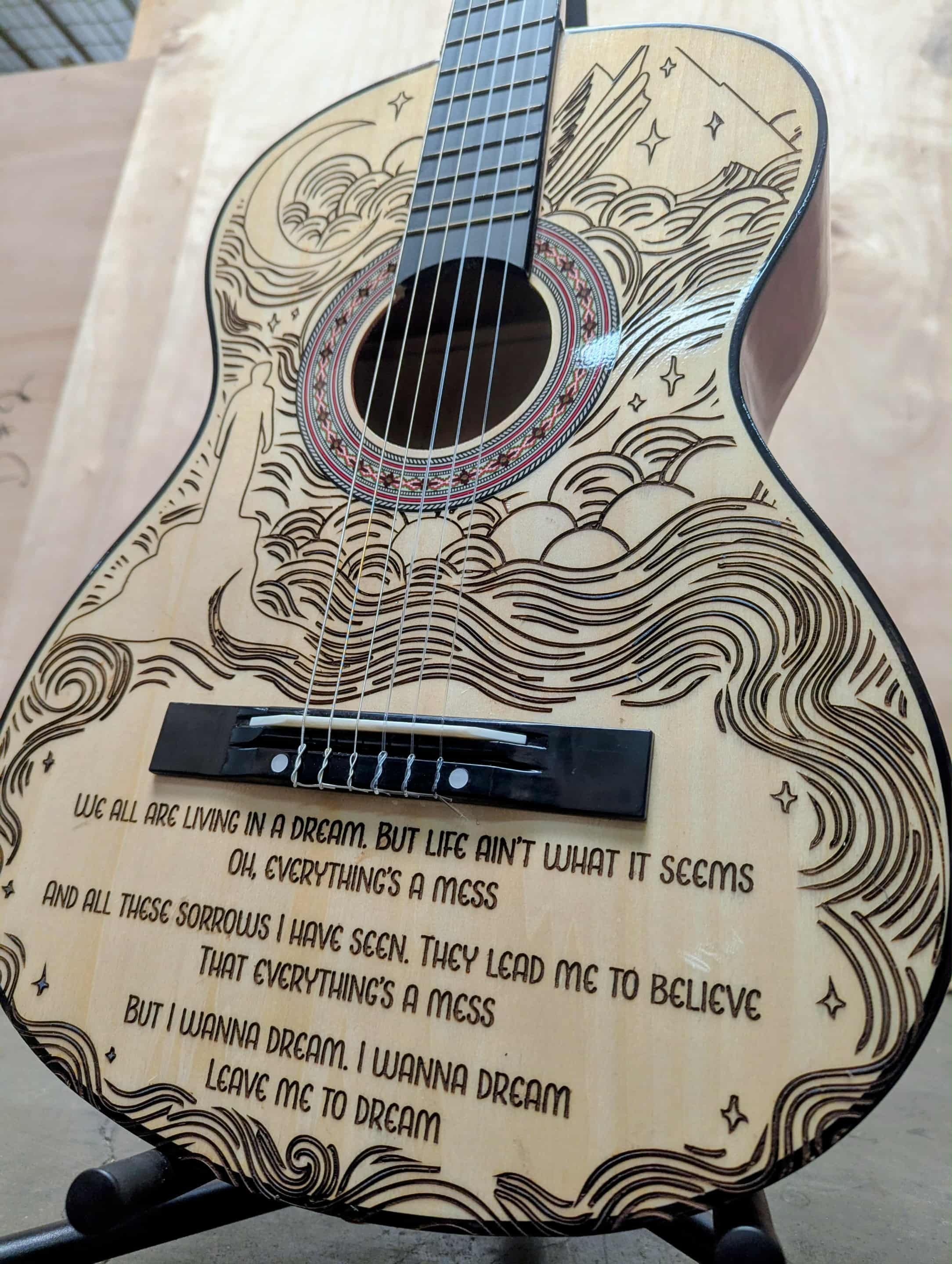
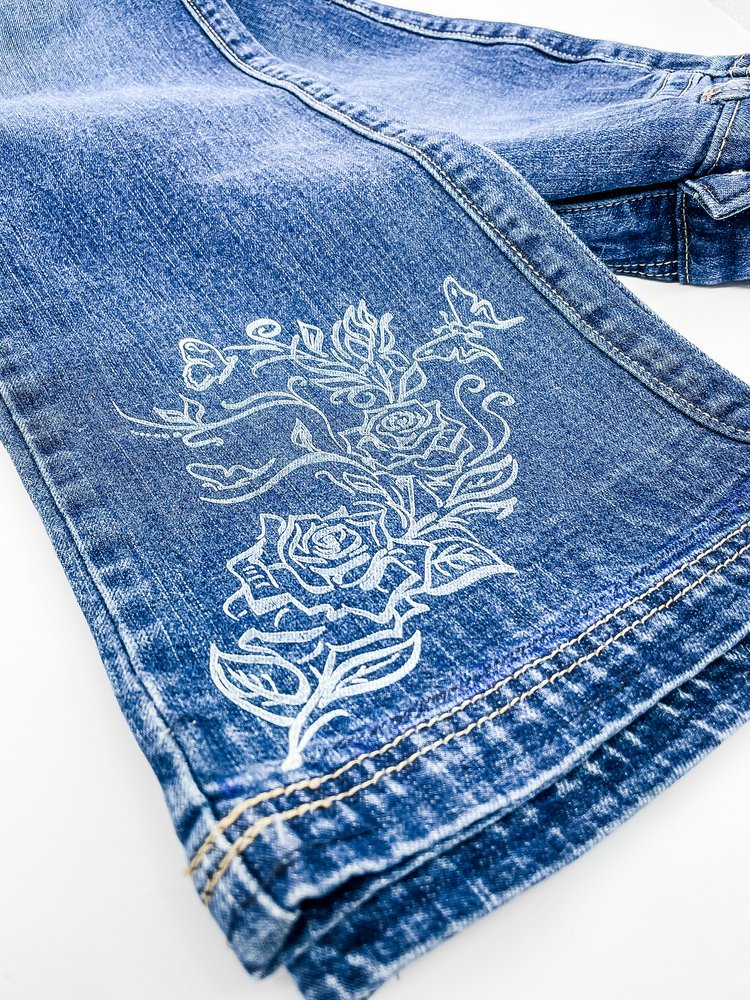
CO₂ lasers pack the most versatility of the three laser types, with the main function of handling organic materials. This gives them the widest range of materials to work with - from textiles, to wood, acrylic, leather, and anodized aluminum. This range of materials most easily aligns with what you would see in a screen printer's shop. Whether its making new designs on denim or leather patches for hats, CO₂ lasers fall under the screen printing umbrella more than the others.
Wood
Leather
Textiles
Leather
Anodized Aluminum
For screen printers, CO₂ lasers are a very simple and natural extension of their services. Going beyond fabrics, decorated goods such as leather patches, custom wooden awards & plaques, acrylic signage, and personalized drinkware fit the same customer profile of those who are already looking at decorative or customized apparel. If you wanted to stay in the world of fabrics, denim engraving has become quite popular and is a natural pivot in your offering that your press wouldn't be capable of otherwise.

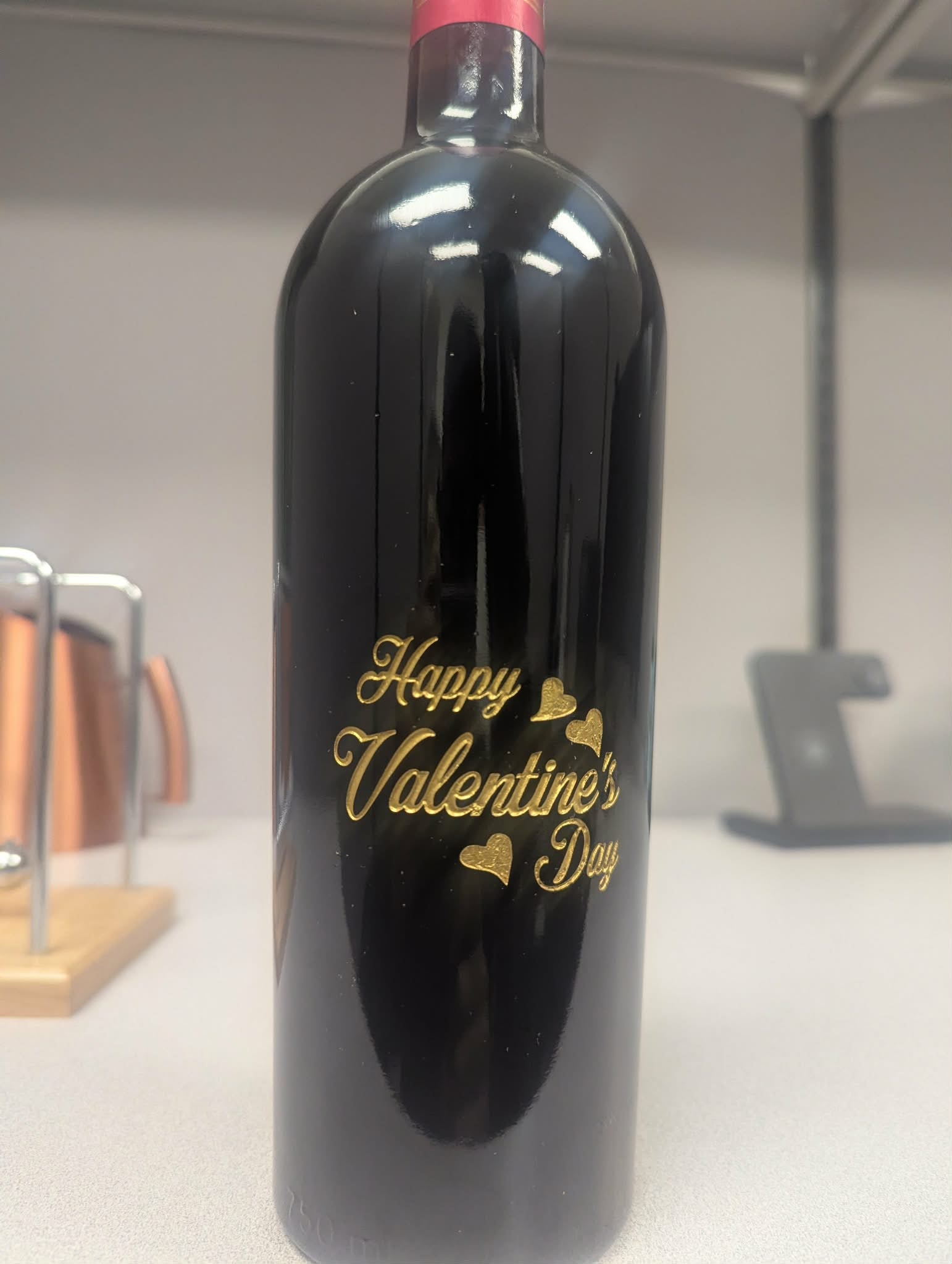
UV lasers provide a more narrow range of applications, but that doesn't mean they have a limited demand. Primarily used with glass and crystal, UV operates at a different wavelength from CO₂ and fiber, allowing it to mark directly beneath the surface. This can create a 3D frosted effect that neither of the other lasers can do. For screen printers, this is a great premium gift that can be offered alongside their services, and genuinely doesn't look like anything else on the market.
Glass
Crystals
Certain Plastics
UV lasers function as a jump to premium gift market for screen printers. Whiskey tumblers, engraved wine glasses, crystal awards, decorative bottles and more all are within the capacity. These are great pieces that have very low material cost, high perceived value, and are captivating enough that they will catch the eye of your clients (if they haven't already).
Now that we have an understanding of each type of machine and what they do, it begs the question - where do we start? Engraving is much more accessible than most shop owners expect, with the primary concerns being space and cost. Both become pretty manageable and easy to navigate once you have an idea of what you're working with. For example, a high powered CO₂ system (the biggest of the lineup) doesn't have much bigger physical footprint than a Sidewinder from M&R. Compared to some of the larger presses, this should be a sigh of relief for most shops, but it is important to factor in that they need proper ventilation and cooling clearance around the machine. On the investment side, the entry point will range from what materials you're choosing to mainly work with. We've seen that a UV system at the very basic level can be around $10,000, and a high powered CO₂ system can be around $60,000+. Material costs are very low across the board - glass, crystal, and coated substrates are very inexpensive to source, meaning the finished workpieces will almost always bring good margin. The main question shops have to ask is not whether engraving is affordable (with no perishable supplies the cost of each project just becomes materials required), it is whether the revenue potential makes sense for the floor space and up front investment. It is a growing sentiment that for most shops, it does.

Choosing a supplier for your laser system can get tricky. As you've experienced with your presses, durability is bound to be at the top of your list. Radian systems utilize galvo technology - meaning they don't have a traditional laser head that moves and directly applies onto the workpiece. Instead, they use mirrors to reflect the beam and achieve the engraving with no moving parts, and on average about 5x the speed. For those looking to produce at higher volumes, galvo technology gives throughput to handle large volume orders without a bottleneck of a slow-moving laser head. Specifically, when you purchase a Radian system, you're also getting a full support team that is available to train you on how to use your machine, troubleshoot your problems, and optimize your workflow. Having access to both SPR & Radian representatives gives you the ability to assess the full scope of your business needs, so you get the purchase right. Radian prides itself on its adaptability, whether you are looking for large scale automation or a simple & efficient process, Radian's team combined with your SPR rep's understanding of your own business will help you find the best path to your success.